


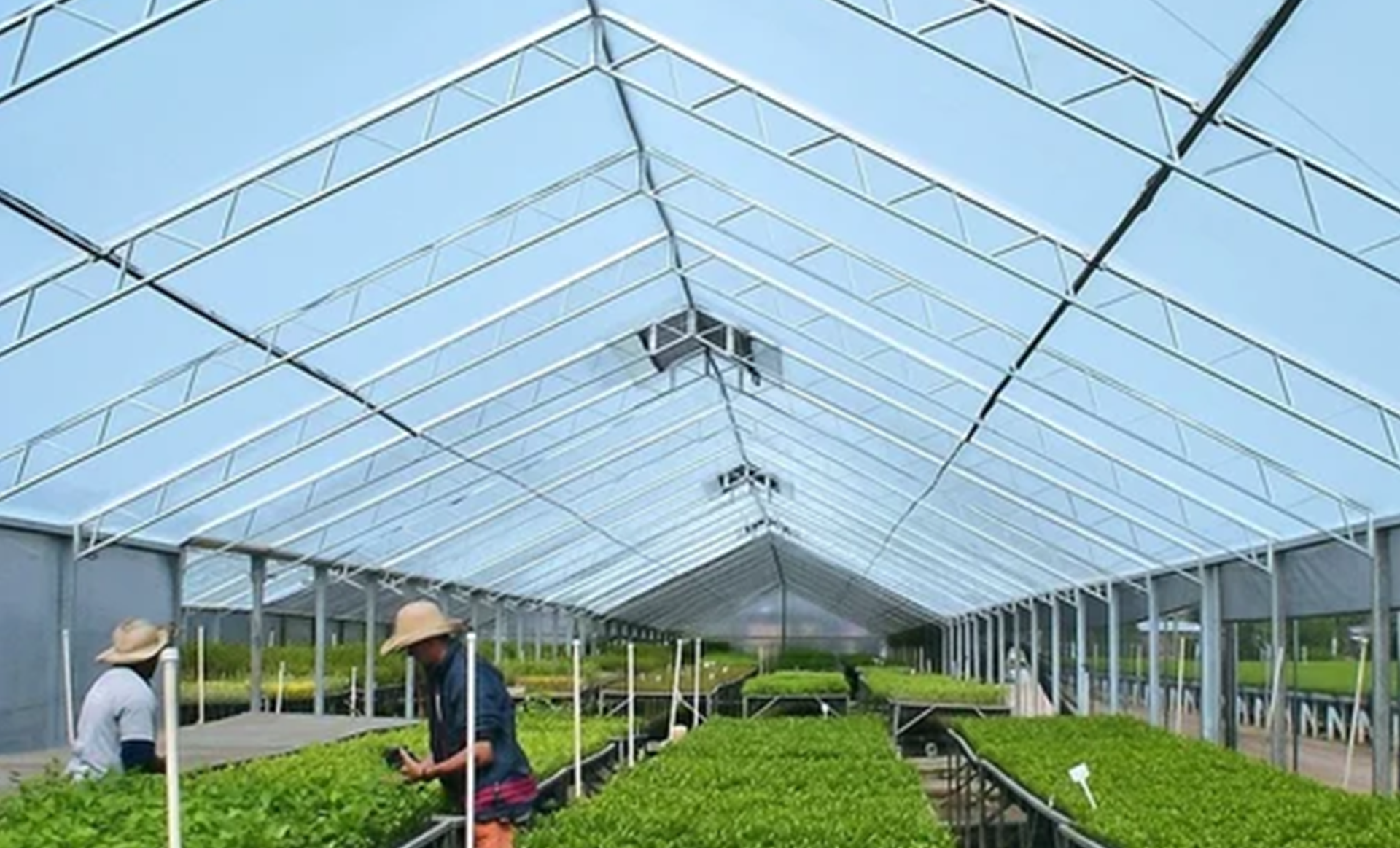
Agriculture /Green House industry

The greenhouse industry generates internal residues, as other agricultural activities, that affect soil and water and external wastes, such as plastics and plant biomass debris. Almost all of the plastic waste from the greenhouses is recycled.

View more
about our services
Agriculture /Green House industry
Applications

Year-round Crop Production

Greenhouses allow farmers to grow crops year-round, regardless of

Greenhouses allow farmers to grow crops year-round, regardless of seasonal or climatic limitations. This ensures a consistent and reliable food supply, reduces dependence on seasonal fluctuations, and increases market competitiveness.

Urban Agriculture

Greenhouses are increasingly used in urban and peri-urban areas for local

Greenhouses are increasingly used in urban and peri-urban areas for local food production. Urban farms and rooftop gardens utilize vertical farming techniques and compact greenhouse structures to maximize space and meet the growing demand for fresh produce in cities.

Research and Education

Greenhouses serve as valuable research and educational tools for

Greenhouses serve as valuable research and educational tools for studying plant physiology, agronomy, and horticulture. Academic institutions, research organizations, and agricultural extension services use greenhouse facilities to conduct experiments, demonstrations, and training programs.

Specialty Crop Production

Greenhouses enable the production of high-value specialty crops

Automotive manufacturers implement rigorous quality control processes to ensure that vehicles meet safety, performance, and reliability standards. Quality control measures include inspection of components, assembly line testing, and vehicle validation testing under various operating conditions.

Climate Change Adaptation

Greenhouses play a role in climate change adaptation by providing

Greenhouses play a role in climate change adaptation by providing a buffer against extreme weather events, temperature fluctuations, and changing growing conditions. Climate-resilient greenhouse designs and technologies help mitigate risks and ensure food security in a changing climate.

d

Climate Control Systems

Greenhouses are equipped with climate control systems that regulate temperature, humidity, and ventilation to create optimal growing conditions for plants.

d

Nutrient Management Systems

Nutrient management systems deliver essential nutrients to plants through fertigation (fertilization through irrigation water) or hydroponic solutions.

d

Energy Efficiency Features

Greenhouses incorporate energy-efficient design features such as insulated glazing, thermal curtains, and energy-efficient heating and cooling

d

Environmental Monitoring Sensors

Greenhouses are equipped with environmental monitoring sensors that measure parameters such as temperature, humidity, light intensity, and CO2 levels.

Role of greenhouse in agriculture

This technology of using greenhouses to grow plants is of significant importance, especially in areas where the climatic conditions are always on the extreme side and regions of high rainfall. Also, greenhouses are wonderful as utilizing space for growing plants has never been this efficient
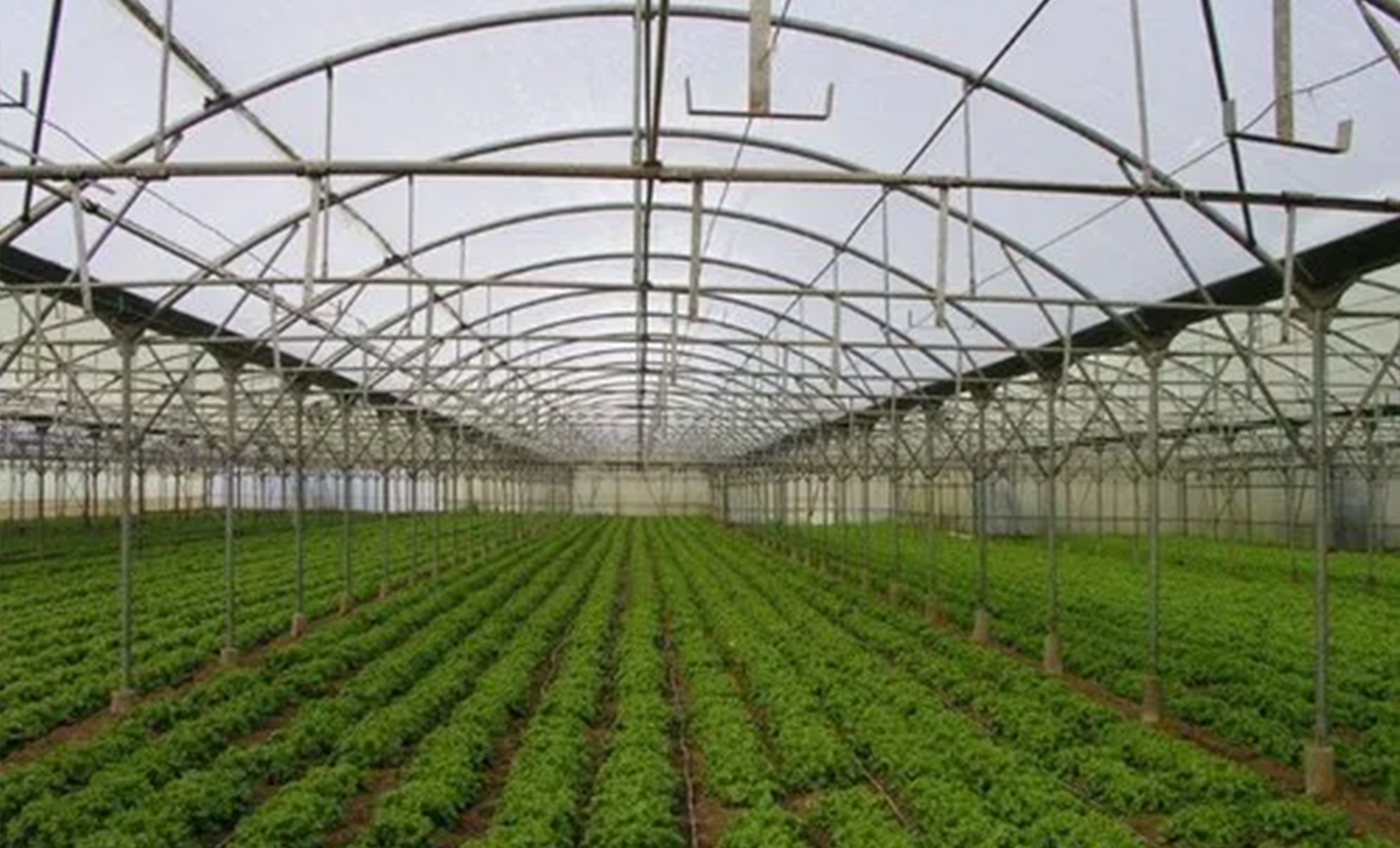
1294

With rising demand for fresh produce throughout the year, commercial greenhouse farming has become a lucrative business opportunity for entrepreneurs and investors.

7951

The greenhouse can provide control environment for high value crops like medicinal plants, flowers etc. crops grown inside a greenhouse are healthy and give better results.