


Cold Management

To store, manage, and transport these life-saving goods requires a series of meticulously timed actions in temperature-controlled settings. We refer to this as a cold chain.

View more
about our services
Cold Industry
Applications

Food Preservation

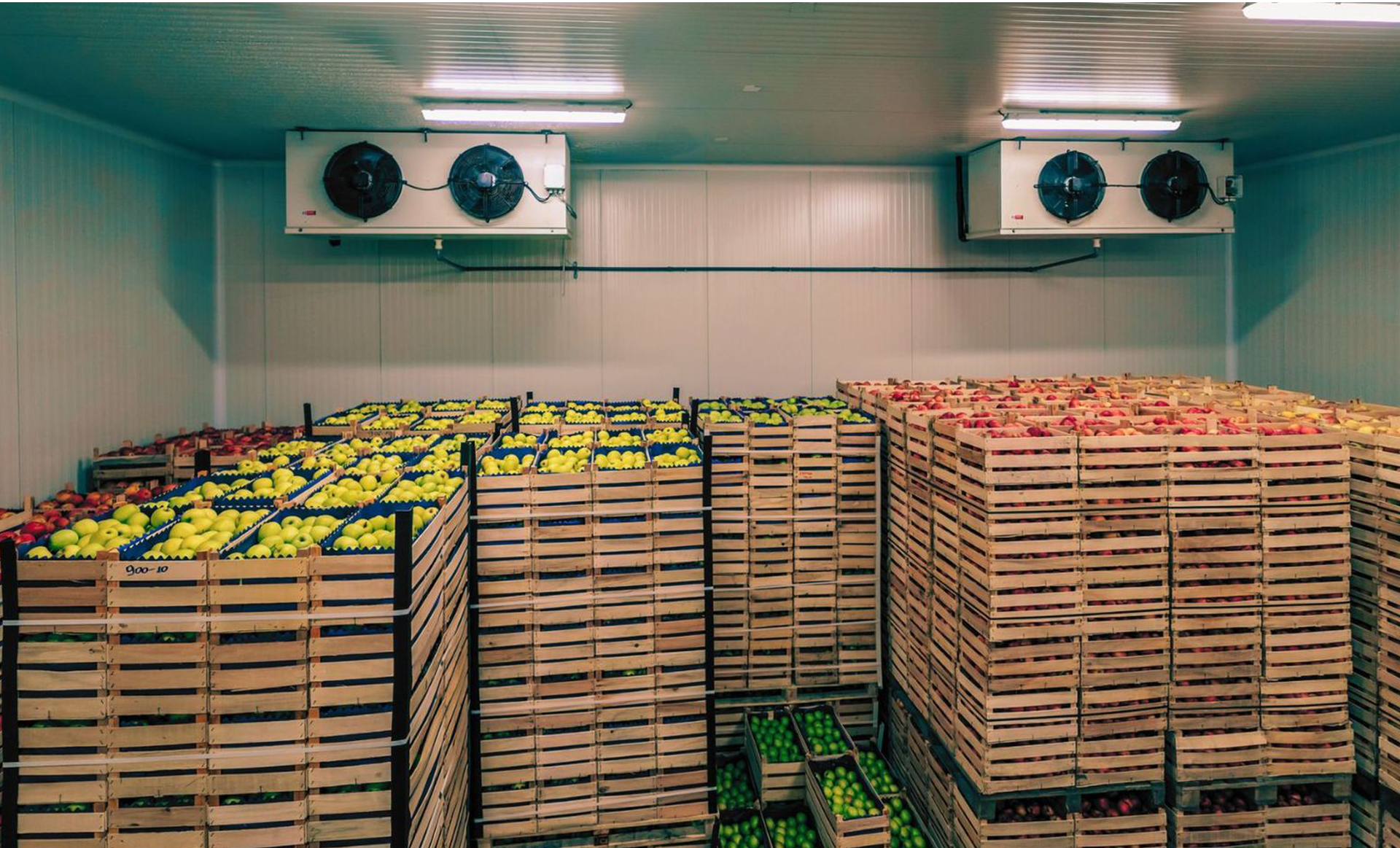
Cold storage facilities are used to preserve perishable food items such as

Cold storage facilities are used to preserve perishable food items such as fruits, vegetables, dairy products, meat, and seafood. These facilities maintain controlled temperatures and humidity levels to extend the shelf life of products and prevent spoilage.

Chemical and Biotech Storage

Cold storage facilities are also used for storing chemicals,

Cold storage facilities are also used for storing chemicals, biological samples, reagents, and other sensitive materials used in research, biotechnology, and manufacturing processes.

Pharmaceutical Distribution

The pharmaceutical cold chain ensures the safe and secure

The pharmaceutical cold chain ensures the safe and secure transport of temperature-sensitive drugs, vaccines, and biologics from manufacturing facilities to wholesalers, pharmacies, clinics, and healthcare providers. It requires specialized packaging, monitoring, and handling procedures to maintain product integrity.

Refrigerated Trucks and Containers

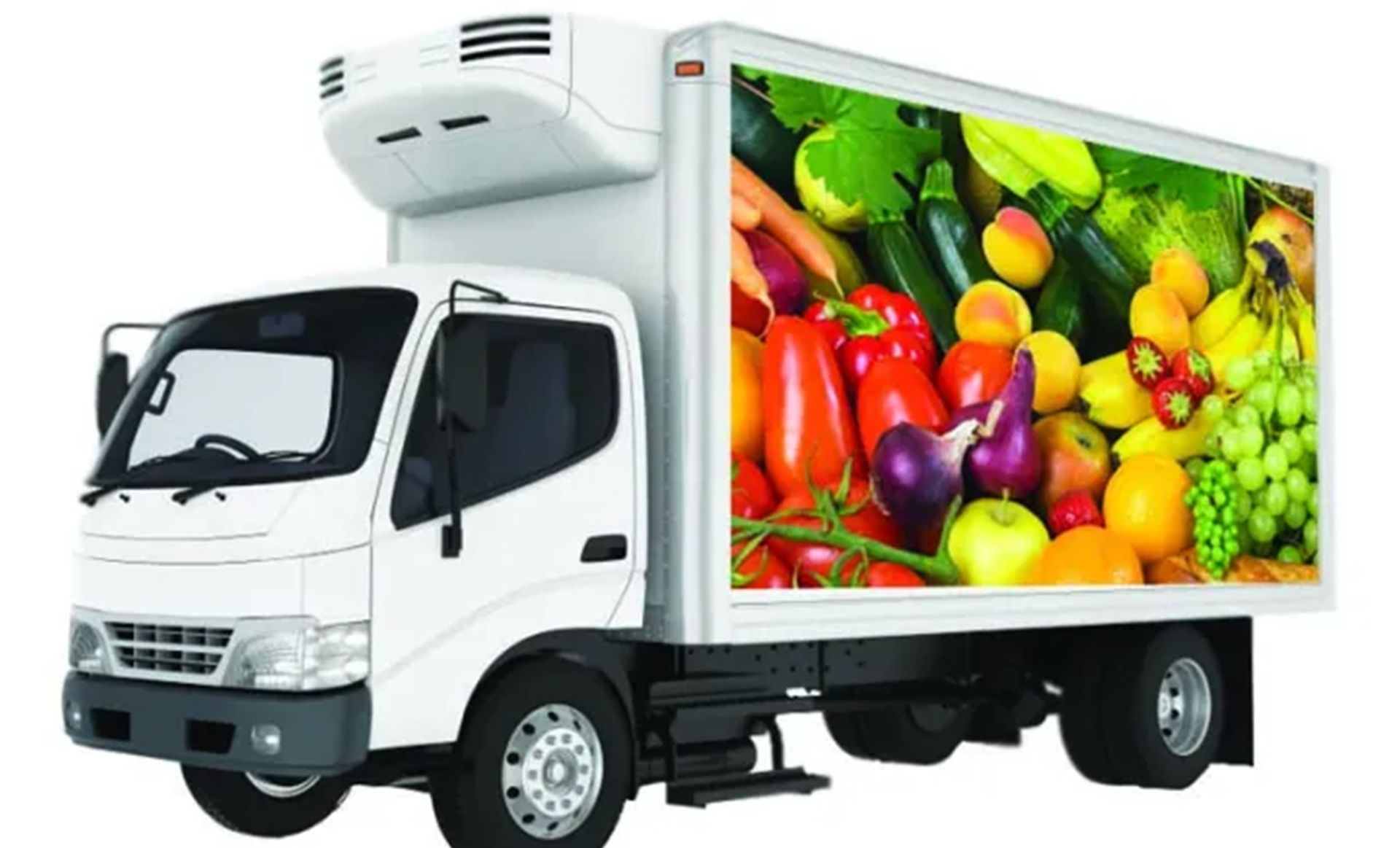
Refrigerated trucks, trailers, and shipping containers are

Refrigerated trucks, trailers, and shipping containers are used to transport perishable goods over long distances. These vehicles are equipped with refrigeration units that maintain specific temperature ranges during transit to prevent spoilage and maintain product freshness.

Maritime Transport

Refrigerated cargo ships, also known as reefers, transport large

Refrigerated cargo ships, also known as reefers, transport large volumes of perishable goods such as fruits, vegetables, and meat products across oceans. These ships have refrigerated cargo holds and temperature monitoring systems to maintain product quality during transit.

The primary feature of cold storage, cold chain, and cold transportation is the ability to maintain specific temperature ranges to preserve the quality and safety of perishable goods.

d

Refrigeration Systems

Refrigeration systems, including compressors, evaporators, condensers, and refrigerants, are used to cool and maintain the desired temperature inside cold storage facilities.

d

Insulation

Cold storage facilities, refrigerated containers, and refrigerated vehicles are insulated to minimize heat transfer and maintain stable internal temperatures.

d

Humidity Control

In addition to temperature control, some cold storage facilities and transportation systems feature humidity control mechanisms to prevent moisture buildup .

Cold chain logistics use cases

The safe storage and transportation of perishables is a critical function of cold chain logistics for a number of industries, including manufacturing, healthcare, and agriculture. These days, the need for these services is growing as a result of shifting consumer demand, "from farm to fork" trends, and the requirement for new medications and vaccinations. Let's examine the industrial sectors in more detail that most require cold chains.
1294

The cold chain refers to the process of moving temperature-sensitive goods along a supply chain using chilled and thermal packing techniques.

7951

The cold chain has three main components, each of which must combine to ensure safe vaccine transport and storage.