


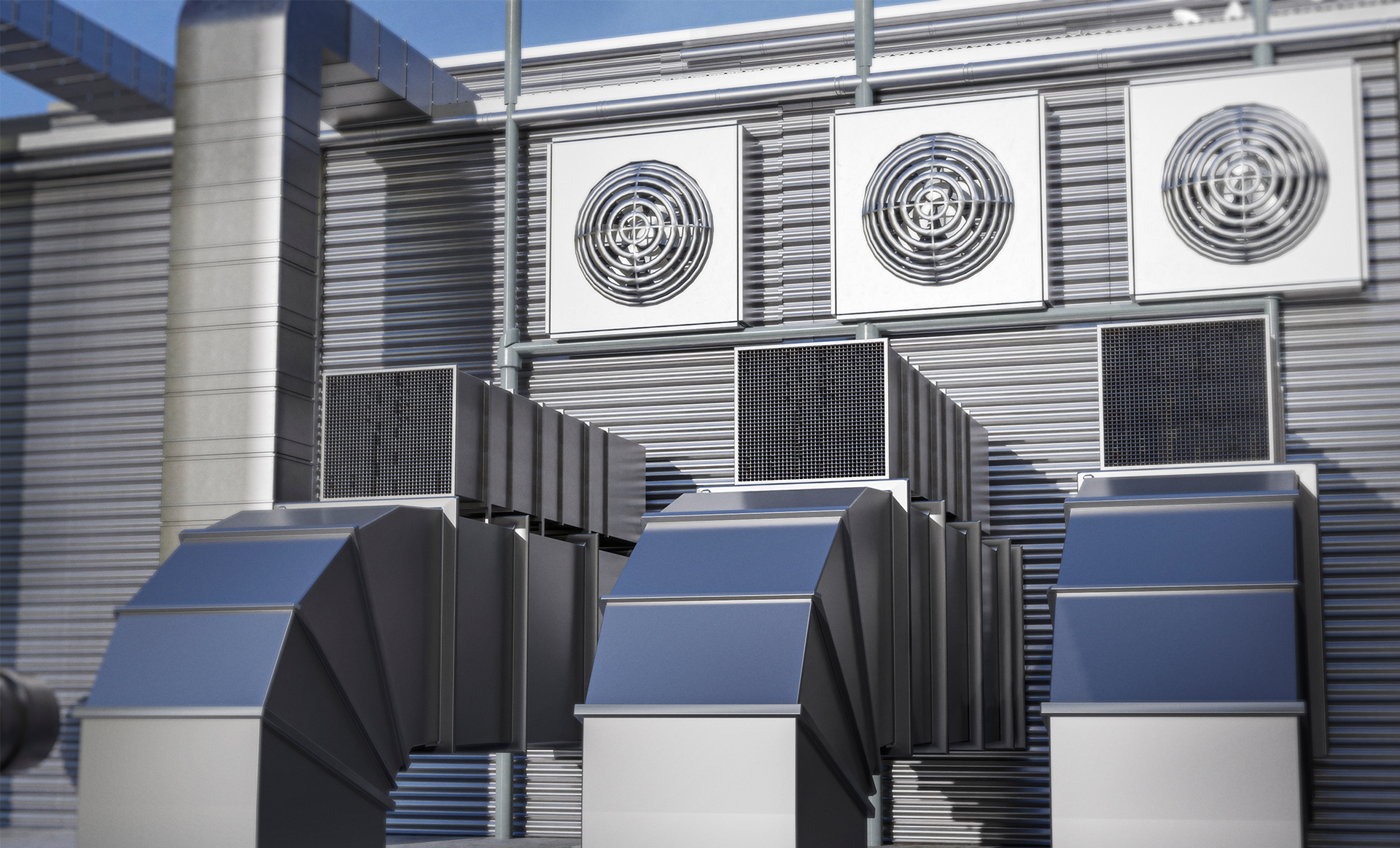
HVAC System

HVAC stands for heating, ventilation, and air conditioning first and foremost. Both residential and commercial buildings can be heated and cooled using this technology. HVAC systems are used to provide comfortable environments anywhere from single-family homes to submarines

View more
about our services
HVAC INDUSTRY
Applications

Energy Efficiency

Many HVAC systems incorporate energy-efficient components

Many HVAC systems incorporate energy-efficient components and designs to reduce energy consumption and operating costs. This includes high-efficiency furnaces, heat pumps, air conditioners, and programmable thermostats.

Residential HVAC

In homes, HVAC systems provide heating, cooling, and ventilation

In homes, HVAC systems provide heating, cooling, and ventilation to maintain comfortable indoor temperatures year-round. These systems often include furnaces, air conditioners, heat pumps, ductwork, thermostats, and air filters.

Industrial HVAC

Industrial facilities, including factories, warehouses, and manufacturing

Industrial facilities, including factories, warehouses, and manufacturing plants, often have unique HVAC requirements due to high ceilings, large open spaces, and specialized processes. Industrial HVAC systems may include large-scale heating systems, industrial exhaust fans, evaporative cooling systems, and ventilation systems designed to remove airborne contaminants.

HVAC for Cleanrooms

Cleanrooms used in industries such as pharmaceuticals, biotechnology,

Cleanrooms used in industries such as pharmaceuticals, biotechnology, and electronics manufacturing require specialized HVAC systems to maintain high levels of cleanliness and control airborne particles. These systems often include high-efficiency particulate air (HEPA) filters, laminar airflow systems, and pressure control mechanisms.

HVAC for Transportation

HVAC systems are essential for maintaining comfortable conditions

HVAC systems are essential for maintaining comfortable conditions in various modes of transportation, including airplanes, trains, buses, and ships. These systems must provide heating, cooling, and ventilation for passengers and crew while considering space constraints and energy efficiency.

d

Air Quality Control

HVAC systems may include features to improve indoor air quality, such as air filtration systems,UV germicidal lights to kill bacteria and viruses, and humidity control

d

Dual Fuel Systems

Dual fuel systems combine a heat pump with a furnace or boiler, allowing the system to switch between heating sources based on outdoor temperature conditions to optimize efficiency.

d

Quiet Operation

Many modern HVAC systems are designed to operate quietly to minimize noise disruptions in residential and commercial spaces.

d

Smart Thermostats

Smart thermostats offer advanced programming options and can be controlled remotely via smartphones or other devices.

Reliable comfort in buildings

optimized for ease of use, simplicity, efficiency, and most importantly, energy conservation. When your business is around providing your customers with comfort, every little detail matters. dependable track record and adaptable design Energy conservation using adaptable apps Easy, uncomplicated design and setup Integration with all of the HVAC protocols that are necessary Local assistance and accessibility
1294

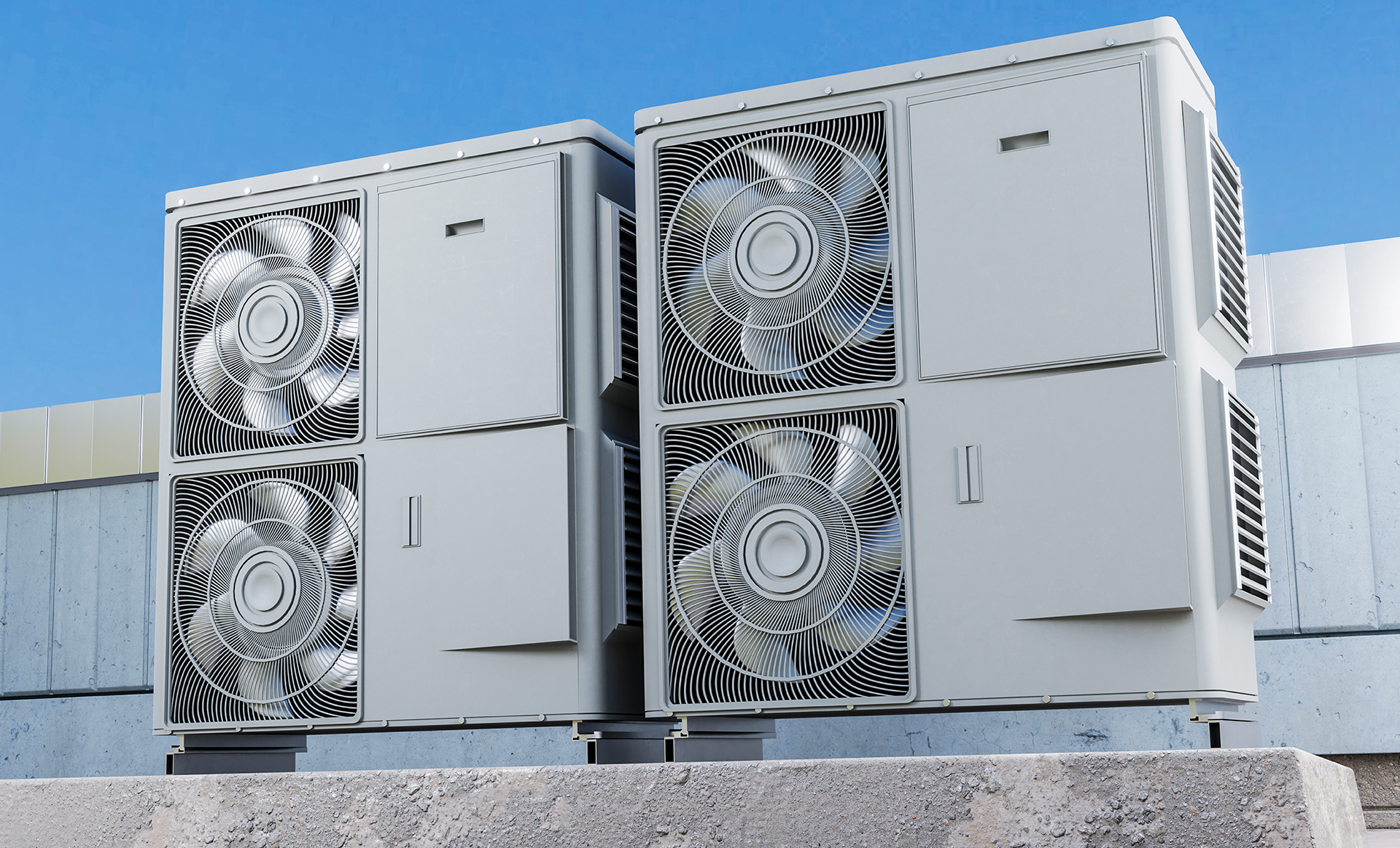
The ventilation element can be forced or natural, and when it is forced, it frequently also serves to purify the air.

7951

As most of us are aware, air cooling, which is the exact opposite of heating, is the third and final component of an HVAC system. Its primary goal is to expel the internal heat from the house.