


Oil & Gas

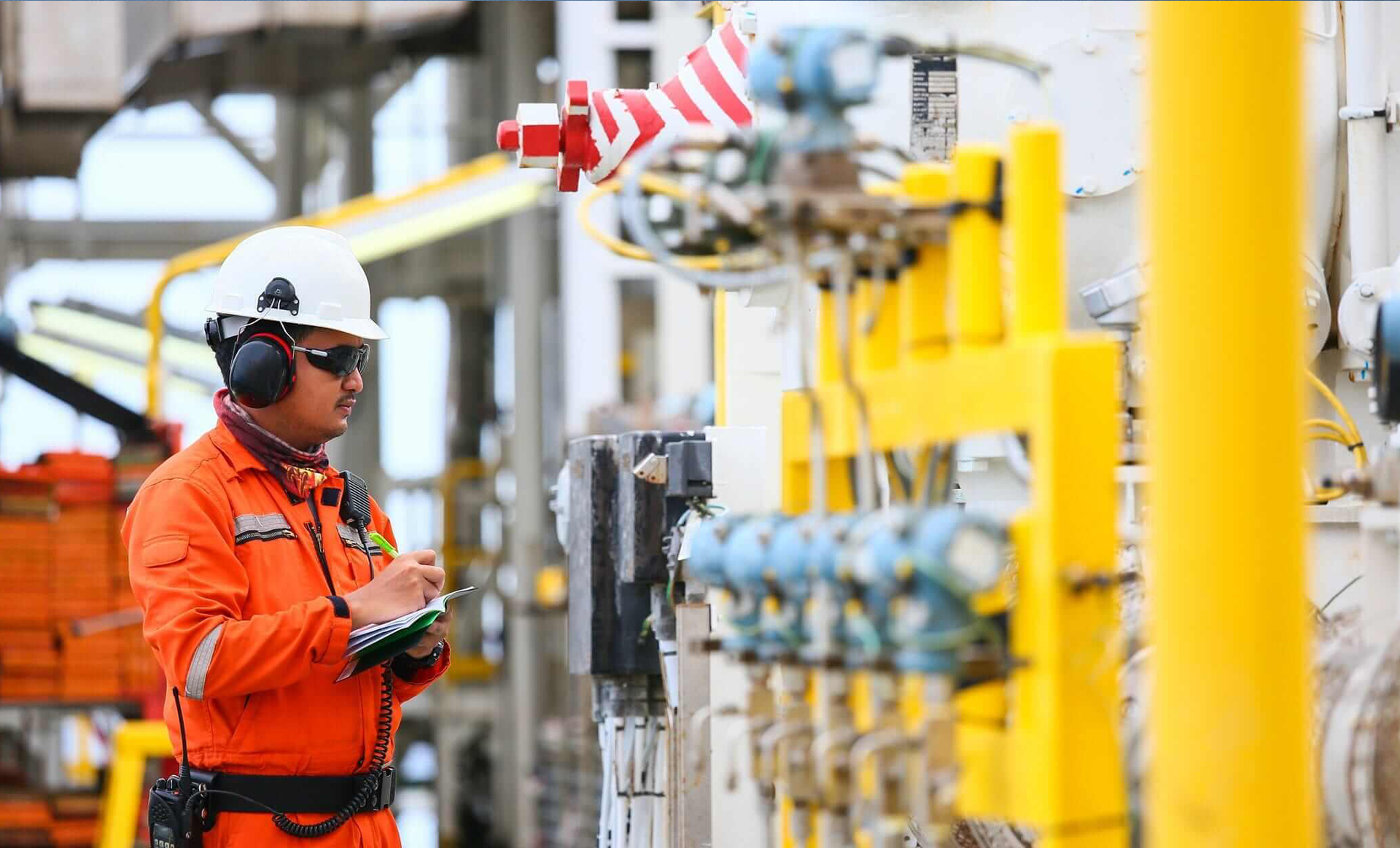
With an anticipated $5 trillion in worldwide revenue as of 2022, the oil and gas business is one of the largest in terms of dollar value in the globe. Oil has a significant impact on all aspects of the global economic system, including transportation, heating, energy, industrial output, and manufacturing.

View more
about our services
Oil and Gas
Applications

Exploration and Production

Seismic surveys: Using seismic waves to map subsurface geology

Seismic surveys: Using seismic waves to map subsurface geology and identify potential reservoirs. Drilling: Extracting oil and gas from underground reservoirs through drilling operations, including conventional drilling and hydraulic fracturing (fracking).

Transportation

Pipelines: Transporting crude oil, natural gas, and refined products

Pipelines: Transporting crude oil, natural gas, and refined products over long distances via pipeline networks. Tankers: Shipping crude oil and liquefied natural gas (LNG) across oceans using specialized tankers.

Refining and Processing

Refineries: Processing crude oil into various refined products such as gasoline

Refineries: Processing crude oil into various refined products such as gasoline, diesel, jet fuel, and petrochemical feedstocks. Petrochemical plants: Converting natural gas and crude oil derivatives into chemicals used in plastics, pharmaceuticals, fertilizers, and other products.

Power Generation

Natural gas power plants: Generating electricity by burning natural gas

Natural gas power plants: Generating electricity by burning natural gas to power turbines and generators. Combined heat and power (CHP) plants: Using natural gas to generate both electricity and heat for industrial and commercial facilities.

Heating and Cooling

Residential and commercial heating: Using natural gas for space heating and water

Residential and commercial heating: Using natural gas for space heating and water heating in homes, offices, and buildings. Industrial heating: Providing process heat for industrial applications such as refining, manufacturing, and food processing.

The industry is undergoing a transition towards cleaner and more sustainable energy sources in response to climate change concerns and evolving consumer preferences.

d

Regulatory Compliance

The industry is subject to extensive regulation at local, national, and international levels to ensure safety, environmental protection, and resource management.

d

Geopolitical Influence

The resources are often located in geopolitically sensitive regions, leading to geopolitical tensions, conflicts, and strategic alliances among nations.

d

Cyclical Nature

The industry is cyclical, characterized by periods of boom and bust driven by factors such as commodity prices, supply-demand dynamics, economic conditions.

Oil & Gas Industry Outlook

The industry has finally recovered in light of recent low points, including the price collapse in 2013 and significant environmental catastrophes, such the Deepwater Horizon Gulf of Mexico Oil Spill in 2014. As the world’s industries and infrastructure continue to rely significantly on petroleum-based products, the world’s dependence on oil and gas is growing.
1294

Global Reach: The industry operates on a global scale, with exploration, production, refining, and distribution activities occurring in numerous countries around the world.

7951

Capital Intensive: The industry requires significant upfront investment in exploration, drilling, infrastructure, and technology