

Waste Water Industry

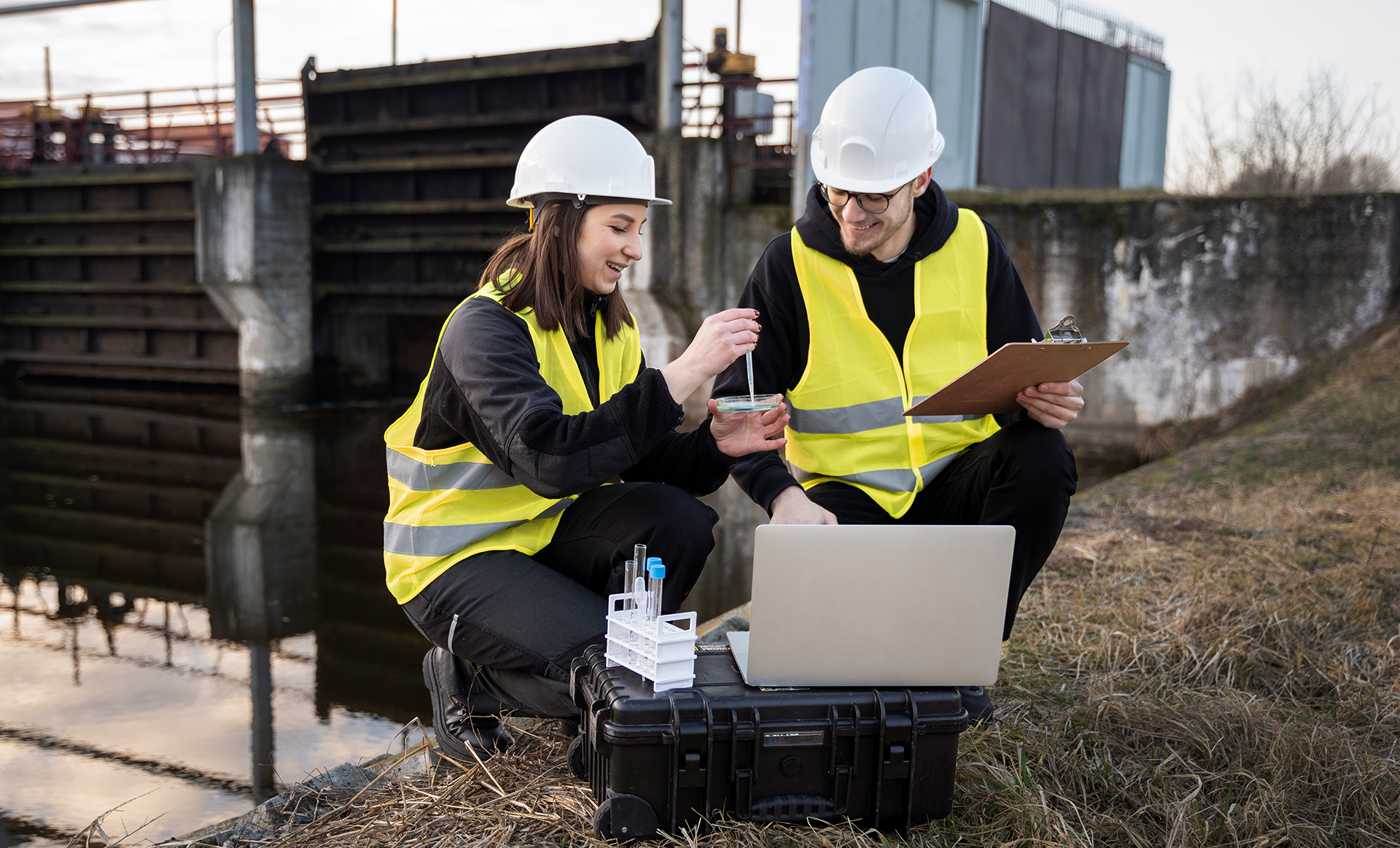
Instrumentation in wastewater treatment plants is essential for monitoring, controlling, and optimizing the various processes involved in treating wastewater. Flow meters are used to measure the flow rate of wastewater throughout the treatment process.

View more
about our services
WASTE WATER INDUSTRY
Applications

Wastewater Treatment Plants

Wastewater treatment plants are facilities designed to

Wastewater treatment plants are facilities designed to remove contaminants and pollutants from wastewater before it is discharged back into the environment. Treatment processes typically include physical, chemical, and biological treatment steps such as screening, sedimentation, filtration, biological oxidation, and disinfection.

Industrial Wastewater Treatment

Industrial facilities generate wastewater containing various

Industrial facilities generate wastewater containing various contaminants such as chemicals, heavy metals, and organic pollutants. Industrial wastewater treatment processes are tailored to the specific pollutants present and may involve advanced treatment technologies such as membrane filtration, ion exchange, and chemical precipitation.

Stormwater Management

Stormwater runoff from urban areas can carry pollutants such as oil,

Stormwater runoff from urban areas can carry pollutants such as oil, grease, sediment, and nutrients into waterways, leading to water quality degradation. Stormwater management practices include green infrastructure (such as permeable pavement and rain gardens), detention basins, and stormwater treatment devices to capture and treat runoff before it reaches receiving waters.

Monitoring and Control Systems

Monitoring and control systems are used to continuously

Monitoring and control systems are used to continuously monitor key parameters such as flow rates, pollutant concentrations, and treatment efficiency within wastewater treatment processes. Advanced sensors, data analytics, and automation technologies help optimize plant performance, reduce energy consumption, and ensure regulatory compliance.

Research and Innovation

Ongoing research and innovation drive advancements in wastewater

Ongoing research and innovation drive advancements in wastewater treatment technologies, process optimization, and resource recovery. Research efforts focus on improving treatment efficiency, reducing costs, enhancing environmental sustainability, and addressing emerging contaminants and water quality challenges.

Wastewater collection systems, including sewer networks and pumping stations, are essential for transporting wastewater from homes, businesses.

d

Wastewater Treatment Plants

Wastewater treatment plants are facilities designed to treat wastewater and remove contaminants

d

Industrial Wastewater Management

Industrial facilities generate wastewater containing various contaminants, including chemicals, heavy metals

d

Public Education and Outreach

Public education and outreach efforts raise awareness about the importance of wastewater management, water conservation.

Wastewater Treatment

Many aquatic plants have been employed in the sewage and water cleansing processes. Cattails, totora, water hyacinth, and duckweed are among the plants that are most frequently used.Wetland plants, plants that ward off mosquitoes, and ornamental plants like cattails, bulrush, citronella, canna, hibiscus, fountain grass, flowering herbs, tulsi, and ashwagandha are among them.
1294

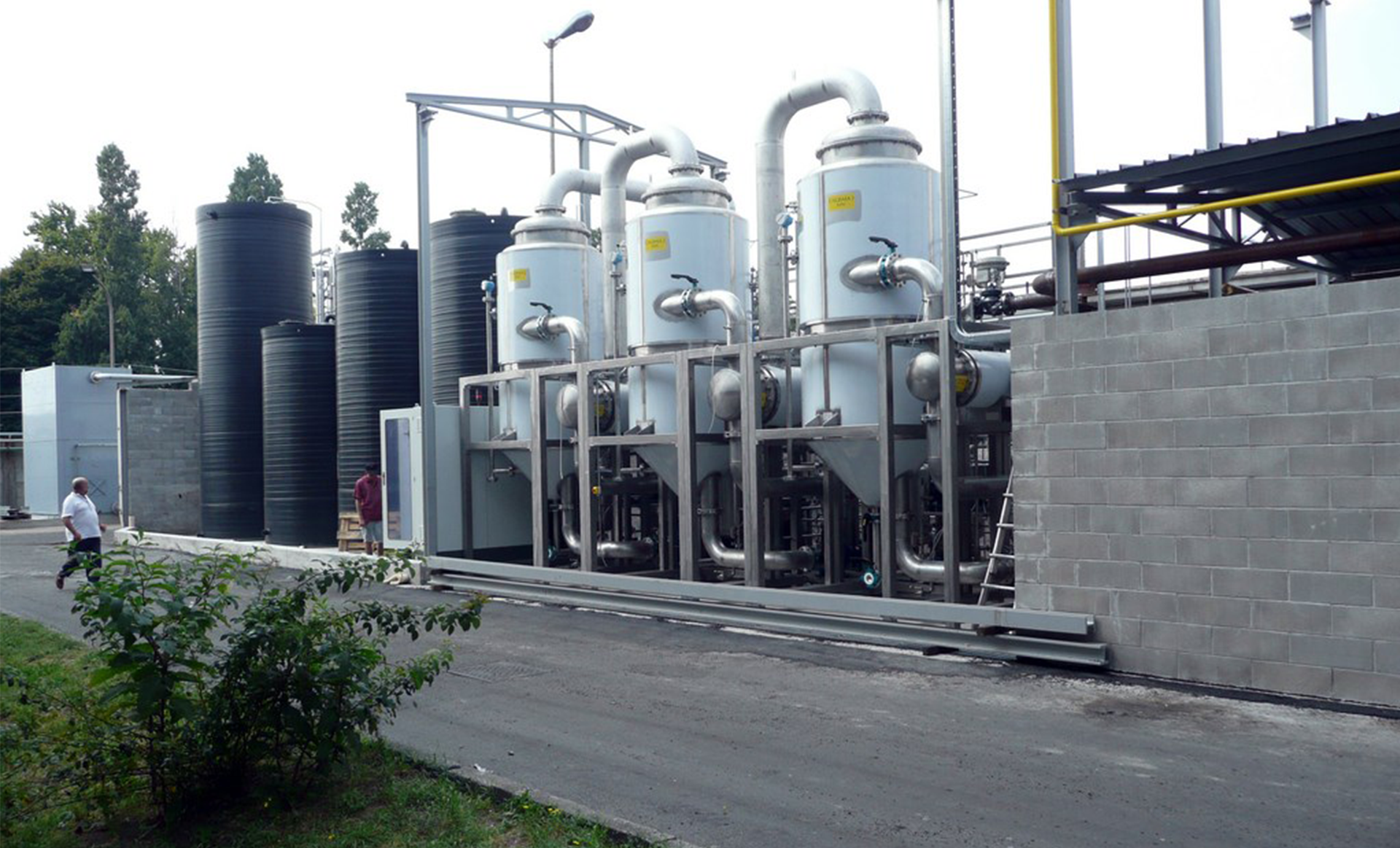
Raw sewage discharge prevention treatment is a type of wastewater treatment that tries to remove contaminants from sewage to generate an effluent that is appropriate for discharge to the surrounding environment.

7951

The procedures used to treat wastewater produced as an unwelcome byproduct by industry are referred to as industrial wastewater treatment. After treatment, the industrial wastewater may be recycled, released into the environment’s