


Chemical Industry Environmental Monitoring Solutions
Reliable measurement and monitoring solutions for chemical manufacturing, processing areas, laboratories, storage facilities, warehouses, HVAC systems and other controlled industrial environments.
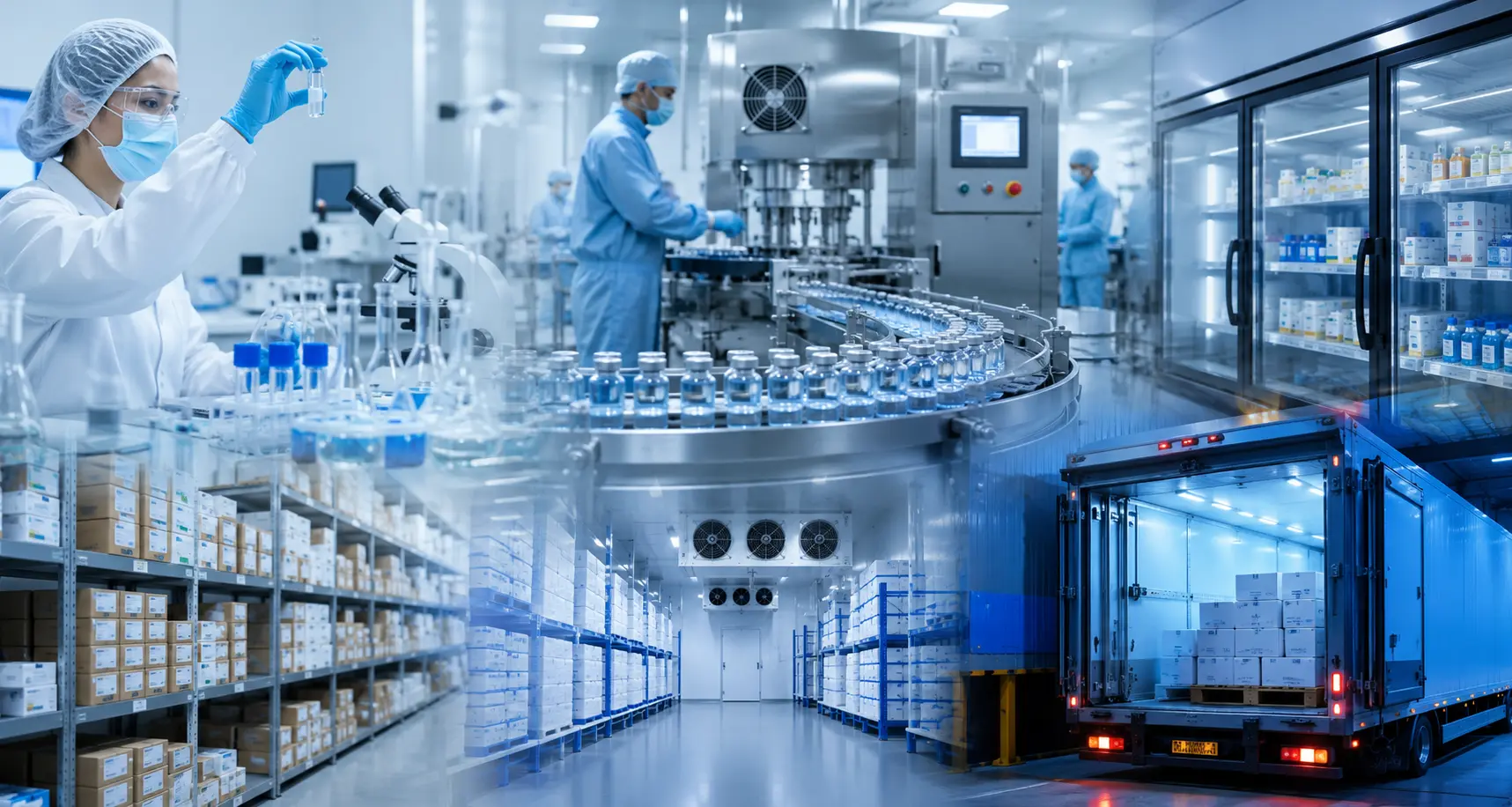
Environmental Monitoring Across Chemical Industry Applications
Monitor important environmental parameters across chemical production, processing, storage, laboratories and controlled industrial areas.
Chemical manufacturing and processing facilities operate across production areas, raw material storage, finished product storage, laboratories and controlled industrial environments.
Temperature, relative humidity and pressure conditions can be monitored using suitable measurement, recording and data acquisition solutions.
Polwax products can be selected according to the application, monitoring point, measurement parameter and requirement for local, recorded or connected data.
Chemical Industry Monitoring Challenges
Different chemical industry areas require appropriate monitoring methods for environmental conditions and process-supporting environments.
Temperature Monitoring
Monitor temperature in chemical storage areas, production environments, laboratories, warehouses and controlled facilities.
Humidity Monitoring
Measure relative humidity in storage, laboratory and controlled industrial environments where humidity conditions need to be observed.
Pressure Monitoring
Monitor differential pressure in suitable HVAC, air-handling and controlled-area applications.
Data Recording
Record environmental measurements over time for historical review, analysis and operational monitoring.
Connected Monitoring
Connect monitoring devices where remote, centralized or network-based environmental data access is required.
Chemical Industry Monitoring Products
Choose the appropriate Polwax product based on the environmental parameter, application, installation and data requirement.
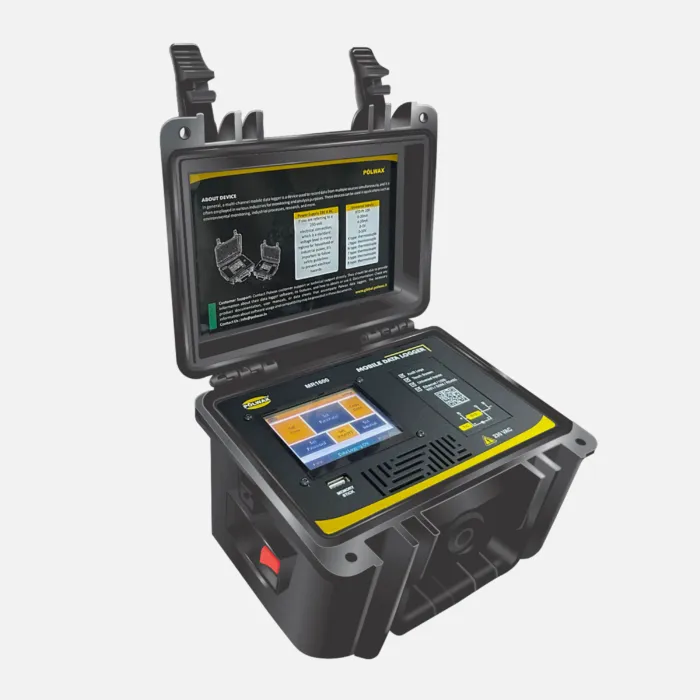
Dataloggers
Dataloggers can be used to record environmental measurements over a defined period for chemical storage, production-support areas, laboratories, warehouses and other controlled environments.
Applications- Chemical warehouses
- Raw material storage
- Finished product storage
- Laboratories
- Production-support areas
- Controlled environments
- Temperature-sensitive storage
- Environmental data recording
- Temperature
- Relative humidity
- Historical data recording

Transmitters
Transmitters are suitable for continuous measurement of environmental parameters in fixed chemical industry and industrial installations.
Applications- Chemical production areas
- Industrial process areas
- Laboratories
- HVAC systems
- Air handling applications
- Warehouses
- Controlled environments
- Temperature
- Relative humidity
- Differential pressure
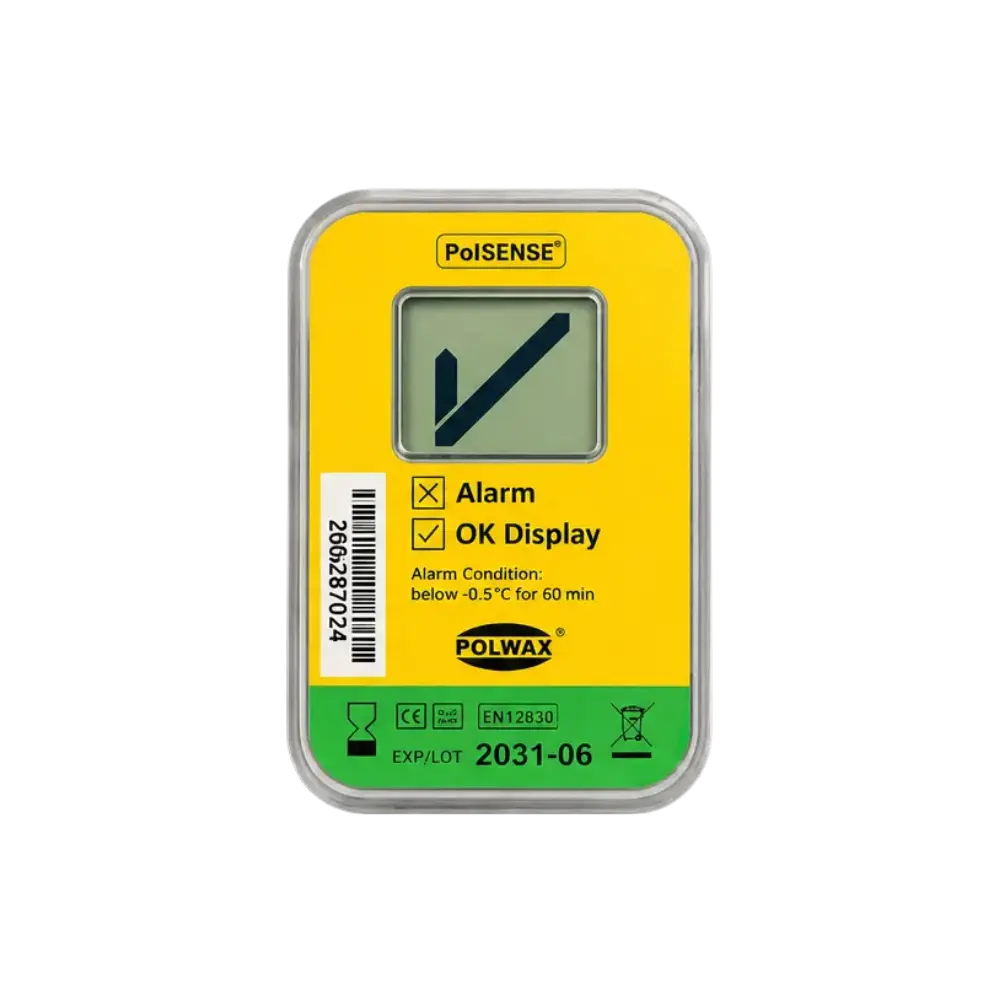
Freeze Indicators
Temperature indicators provide local visual indication of temperature for chemical storage, production-support and industrial areas where quick on-site monitoring is required.
Applications- Chemical storage areas
- Production areas
- Laboratories
- Warehouses
- Equipment monitoring
- HVAC applications
- Easy visual indication
- Local temperature monitoring
- Suitable for industrial environments
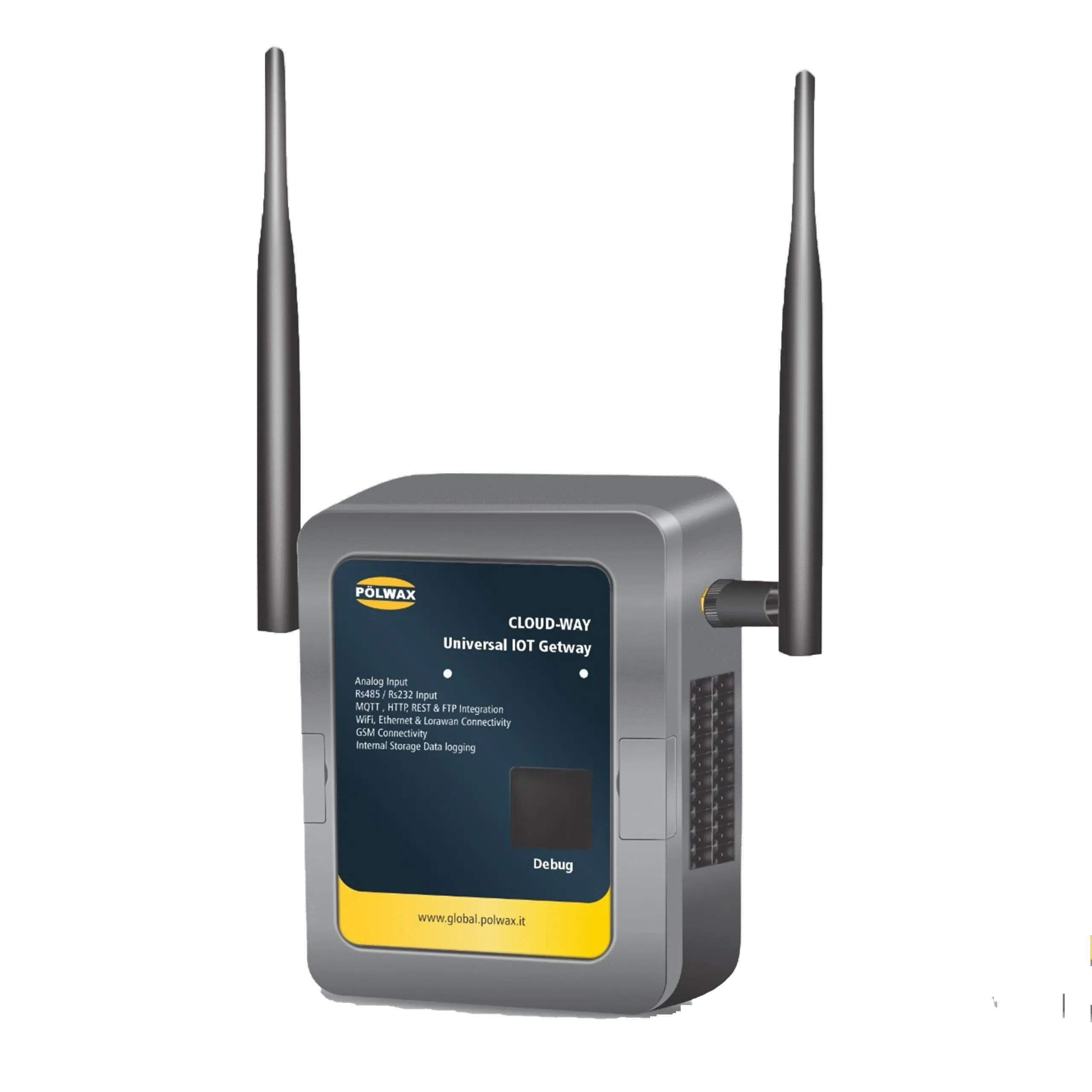
IoT Gateway
An IoT Gateway can be used as a connectivity layer between monitoring devices and a centralized monitoring or data platform.
Applications- Remote environmental monitoring
- Centralized data collection
- Multi-area monitoring
- Facility monitoring
- Connected industrial monitoring
- Datalogger connectivity
- Sensor and transmitter connectivity
- Remote data acquisition
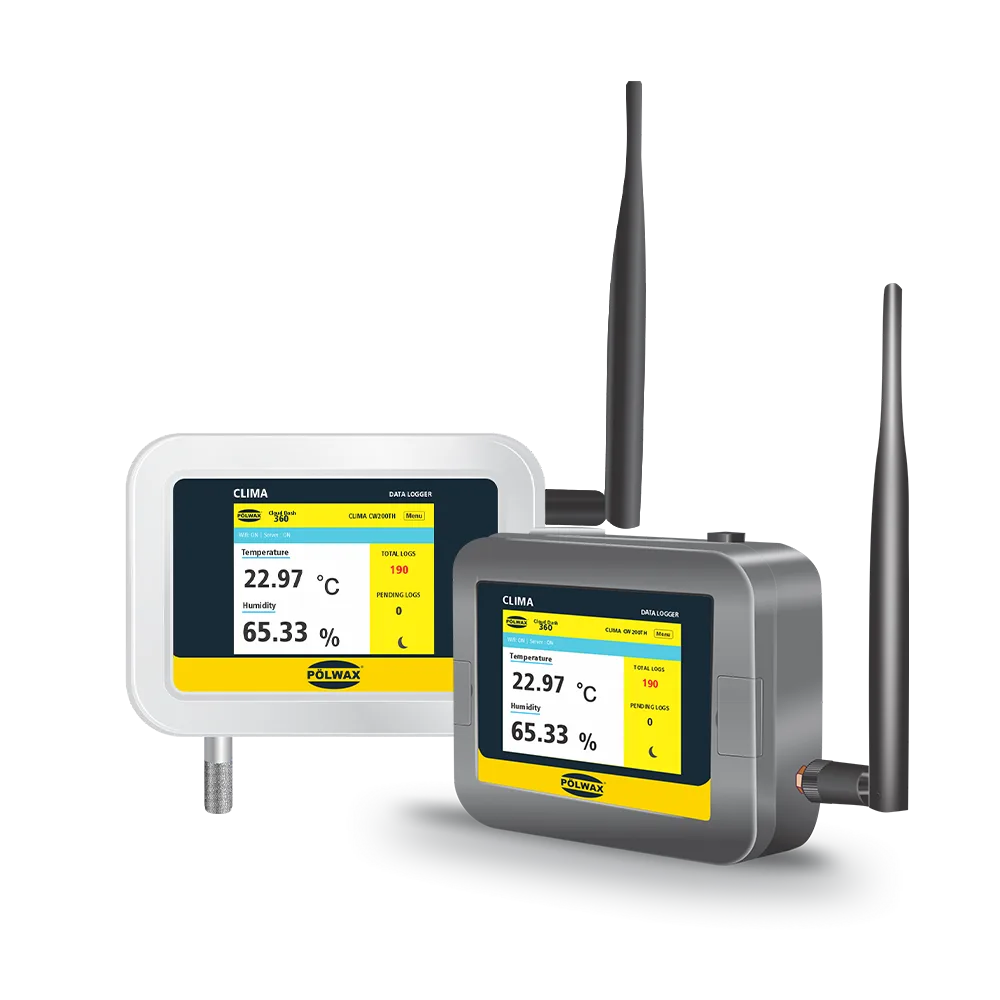
GSM Dataloggers
Polwax CLIMA WiFi, GSM and LAN Dataloggers provide environmental monitoring with flexible communication options for connected industrial applications.
Applications- Chemical warehouses
- Storage facilities
- Laboratories
- Production-support areas
- Remote facilities
- Industrial environmental monitoring
- Controlled storage areas
- Temperature monitoring
- Relative humidity monitoring
- WiFi communication
- GSM communication
- Ethernet / LAN communication
- Cloud data monitoring
Chemical Industry Applications
Polwax monitoring products can be selected for different chemical industry areas according to measurement, recording and connectivity requirements.
Chemical Manufacturing
Monitor environmental conditions around chemical manufacturing and production-support areas.
Chemical Warehouses
Monitor storage environments for raw materials, intermediate materials and finished chemical products.
Raw Material Storage
Record environmental conditions in storage areas where temperature and humidity monitoring is required.
Chemical Laboratories
Monitor environmental conditions in laboratories and controlled laboratory environments.
Process Support Areas
Monitor environmental parameters in areas supporting chemical production and industrial operations.
HVAC & Air Handling
Monitor environmental parameters associated with HVAC and air handling systems in chemical industry facilities.
Controlled Storage
Record environmental conditions for controlled storage and temperature-sensitive chemical materials where applicable.
Industrial Facility Monitoring
Monitor environmental conditions across multiple areas of a chemical production or storage facility.
Remote Monitoring
Connect monitoring devices for remote or centralized access to environmental data from distributed industrial locations.
Chemical Industry Environmental Parameters
Select the monitoring product according to the parameter, application and data requirement.
| Parameter | Application | Polwax Product |
|---|---|---|
| Temperature | Chemical warehouses, storage areas, laboratories, production-support areas and controlled environments | Dataloggers, Transmitters, Freeze Indicators |
| Relative Humidity | Warehouses, laboratories, storage areas and controlled industrial environments | Dataloggers, Temperature & Humidity Transmitters |
| Differential Pressure | HVAC, air handling and suitable controlled-area applications | Differential Pressure Transmitters |
| Historical Data | Storage, laboratories, production-support areas and environmental monitoring | Dataloggers |
| Connected Data | Remote, distributed and centralized environmental monitoring | IoT Gateway |
| Local Indication | Areas requiring quick visual temperature indication | Freeze Indicators |
Build the Right Monitoring System for Your Chemical Industry Application
Combine suitable Polwax monitoring products according to the measurement, recording and connectivity requirements of your facility.
Environmental Measurement
Select suitable measurement products according to the environmental parameter and installation requirement.
Data Recording
Use suitable dataloggers where historical environmental data recording is required.
Continuous Monitoring
Transmitter-based solutions can support continuous measurement in fixed industrial installations.
Local Indication
Temperature indicators provide a convenient local view of measured temperature.
Connected Monitoring
IoT Gateway solutions can provide a connectivity layer for connected environmental monitoring architectures.
Scalable Monitoring
Monitoring systems can be designed around individual measurement points or multiple areas depending on project requirements.
From Measurement to Monitoring
Build a chemical industry environmental monitoring architecture by combining measurement devices, data recording and connectivity according to the application.
Measure → Record → Connect → Monitor → Analyze
Chemical Industry Monitoring Product Range
Need a Chemical Industry Monitoring Solution?
Select the right combination of Polwax dataloggers, transmitters, temperature indicators and connectivity products according to your chemical industry application.
Frequently Asked Questions
Which environmental parameters can be monitored in chemical industry facilities?
Depending on the selected product and application, Polwax monitoring solutions can be used for parameters such as temperature, relative humidity and differential pressure.
Which Polwax product is suitable for temperature data logging?
Dataloggers are suitable for applications where temperature measurements need to be recorded over a period of time. The appropriate model depends on the application and required measurement specifications.
Can Polwax products be used in chemical warehouses?
Suitable Polwax dataloggers and transmitters can be selected for environmental monitoring in chemical storage and warehouse environments, depending on the required measurement parameters and installation conditions.
Can Polwax products be used in chemical laboratories?
Appropriate temperature, humidity and data recording products can be selected for laboratory environmental monitoring applications according to the measurement requirements.
Can Polwax solutions be used for HVAC monitoring in chemical facilities?
Suitable temperature, humidity and differential pressure measurement products can be selected for HVAC and air-handling applications. Product selection should be based on the specific installation and required parameters.
Can environmental monitoring data be connected to an IoT system?
Where connectivity is required, an IoT Gateway can be incorporated into the monitoring architecture. The exact connectivity and integration capability depends on the selected device and system design.
Can remote monitoring be used for chemical storage facilities?
Where supported by the selected equipment, connected dataloggers and IoT Gateway solutions can be incorporated into a remote or centralized monitoring architecture.
How do I choose the right Polwax product for a chemical industry application?
Product selection depends on the parameter to be measured, measurement range, installation environment, requirement for data recording, connectivity and the overall monitoring architecture.